
CBD Oil vs. Hemp Oil: Unraveling the Hazy Differences
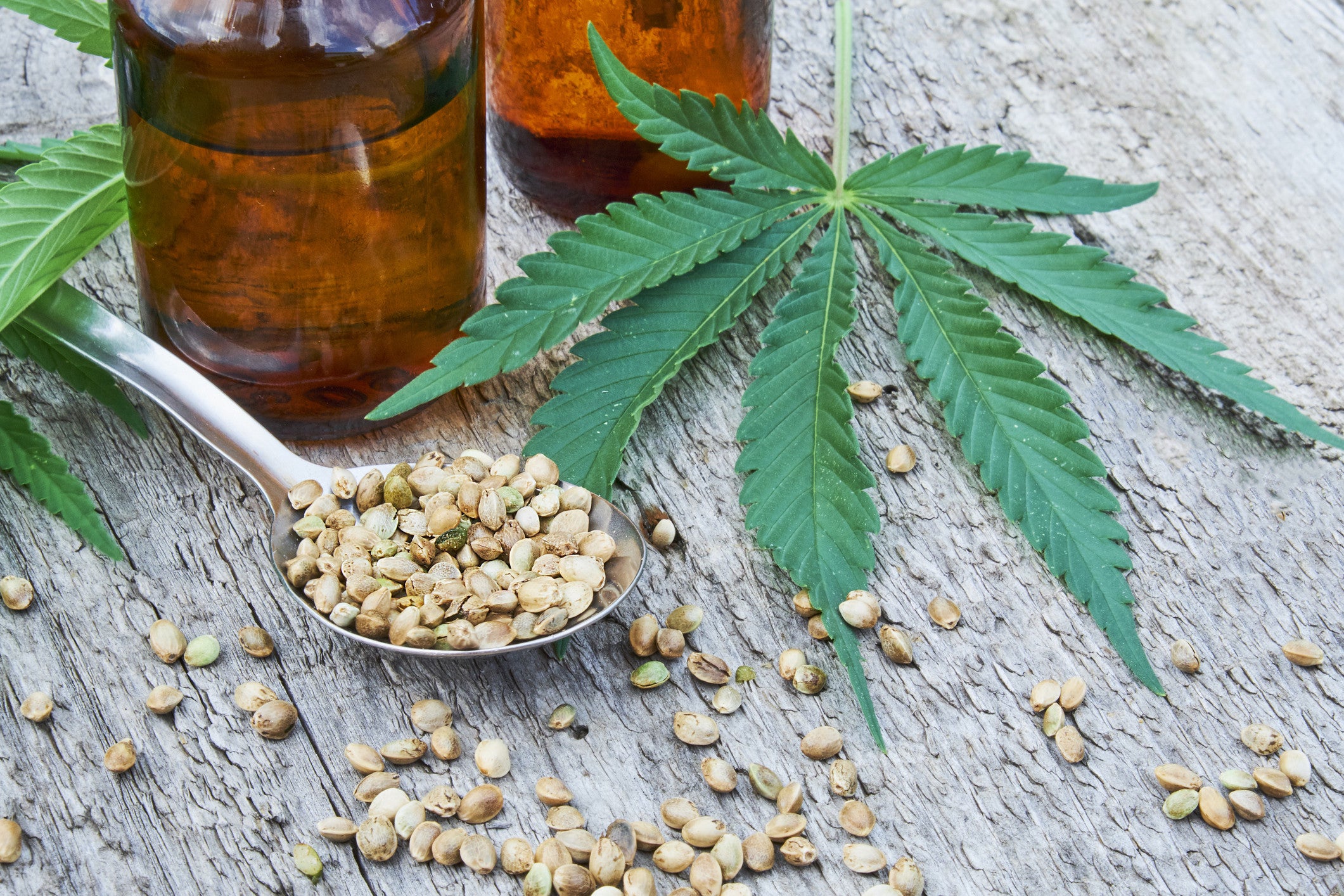
- The Source of Confusion:
The first order of business is clearing up the confusion. CBD oil and hemp oil may come from the same plant, Cannabis sativa, but their origins and properties are not identical. Let's break it down:
a. CBD Oil:
CBD oil is short for cannabidiol oil—a chemical compound found in the cannabis plant. The key differentiator here is that CBD oil is typically derived from hemp plants that contain high levels of CBD and only trace amounts of THC, the psychoactive compound responsible for that infamous high. CBD is touted for its potential therapeutic effects, including pain relief, reduced anxiety, and better sleep.
b. Hemp Oil:
Hemp oil, on the other hand, is extracted from the seeds of the hemp plant. Unlike CBD oil, it contains little to no CBD or THC. Hemp oil has a long history of use in various industries, from skincare to culinary applications. It's a rich source of nutrients, including omega-3 and omega-6 fatty acids, vitamins, and minerals.
- Applications and Uses:
Now that we've clarified their origins, let's dive into their respective applications and uses:
a. CBD Oil Applications:
CBD oil is the star of the show in the wellness arena. Users praise it for its potential to alleviate chronic pain, ease anxiety, and even reduce the frequency of seizures in certain epileptic conditions. Additionally, some studies suggest that CBD may have anti-inflammatory and neuroprotective properties. Whether you vape it, take it as a tincture, or apply it topically, CBD oil has become a versatile go-to for health-conscious individuals.
b. Hemp Oil Applications:
Hemp oil may not boast the same therapeutic potential as CBD oil, but its versatility shines in other domains. Beauty gurus swear by hemp oil's ability to moisturize and nourish the skin without clogging pores. It's also a culinary gem, adding a nutty flavor to salads and dressings while delivering a dose of essential fatty acids. Moreover, hemp oil serves as a sustainable alternative in various industrial products like biofuels and bioplastics.
- Legality and Regulation:
As trendy as CBD and hemp oils are, navigating the legal landscape can be a bit tricky:
a. CBD Oil Legality:
The legality of CBD oil depends on its source and the laws of your specific location. In the United States, the 2018 Farm Bill made industrial hemp and its derivatives, including CBD oil, legal at the federal level, as long as it contains less than 0.3% THC. However, some states have stricter regulations, so it's crucial to do your homework before purchasing or traveling with CBD products.
b. Hemp Oil Legality:
Since hemp oil contains minimal to no CBD or THC, it is generally legal in most places. Nonetheless, it's always wise to double-check local regulations to ensure you're on the right side of the law.
- The Entourage Effect:
One of the most significant distinctions between CBD oil and hemp oil lies in what's known as the entourage effect. This phenomenon refers to the synergy between various cannabis compounds working together to enhance the overall therapeutic benefits. CBD oil, with its array of cannabinoids and terpenes, is more likely to trigger the entourage effect compared to hemp oil, which lacks significant cannabinoid content.
Conclusion:
So, there you have it, vape enthusiasts! CBD oil and hemp oil may share the same cannabis roots, but their differences are crystal clear. CBD oil takes center stage for its potential therapeutic effects, while hemp oil shines as a nutritional and skincare marvel. Remember, always do your research and consult with a healthcare professional before incorporating these oils into your wellness routine. Stay trendy, stay informed, and vape responsibly!
References:
- Russo, E. B. (2011). Taming THC: potential cannabis synergy and phytocannabinoid-terpenoid entourage effects. British Journal of Pharmacology, 163(7), 1344-1364.
- Leizer, C., Ribnicky, D., Poulev, A., Dushenkov, S., & Raskin, I. (2000). The Composition of Hemp Seed Oil and Its Potential as an Important Source of Nutrition. Journal of Nutraceuticals, Functional & Medical Foods, 2(4), 35-53.
- Iffland, K., & Grotenhermen, F. (2017). An update on safety and side effects of cannabidiol: a review of clinical data and relevant animal studies. Cannabis and Cannabinoid Research, 2(1), 139-154.