
Edible Marijuana: A Flavorful Journey into Cannabis Cuisine
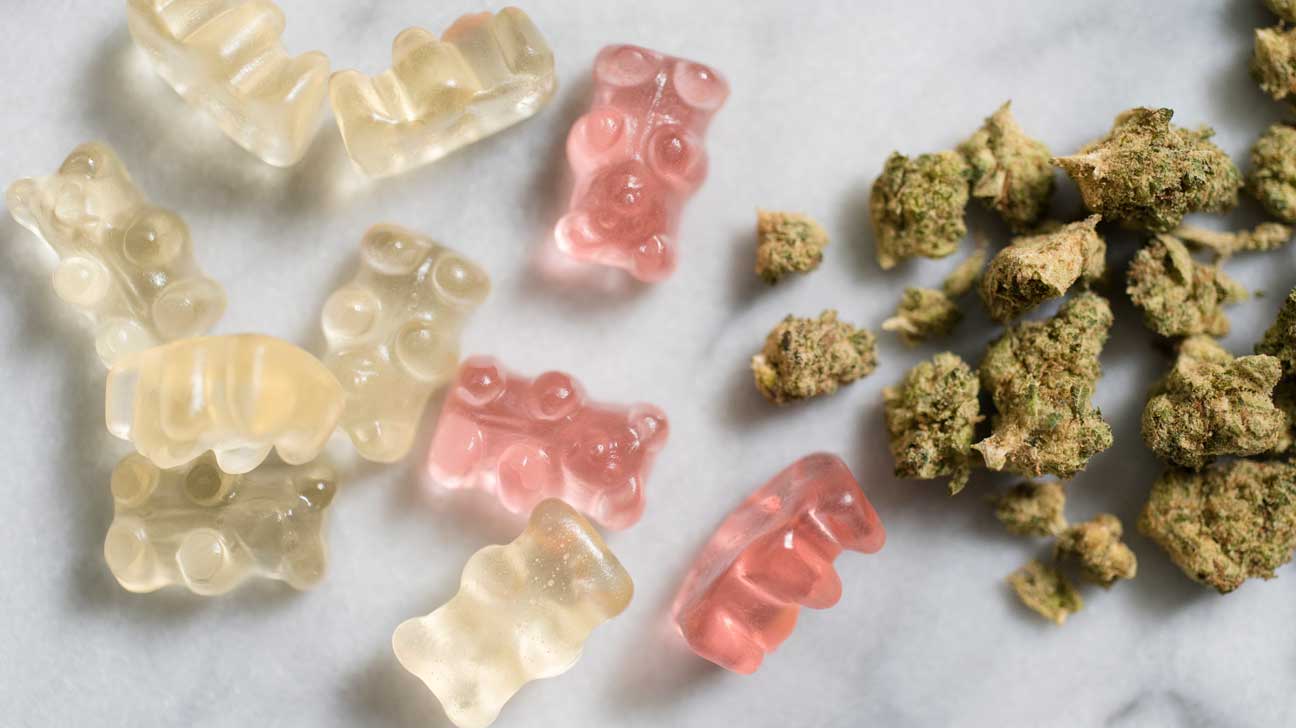
What is Edible Marijuana?
Edible marijuana, or cannabis edibles, are food products infused with cannabinoids, the active compounds found in cannabis. Tetrahydrocannabinol (THC) and cannabidiol (CBD) are the most commonly used cannabinoids. THC provides the 'high' or psychoactive effect, while CBD offers potential therapeutic benefits without the high (1).
A flavorful array of edible marijuana products have flooded the market, from the ubiquitous 'pot brownies' to sophisticated culinary creations like THC-infused truffles and CBD-laden honey.
Benefits of Edible Marijuana
The appeal of edible marijuana largely stems from its discretion and duration of effect. Unlike smoking or vaping cannabis, edibles don't produce a smell and can be consumed inconspicuously. They're a favorite among users who value their privacy or simply prefer not to inhale smoke or vapor.
Edibles also offer a more prolonged effect. The cannabinoids in edibles are metabolized by the liver, converting THC into 11-hydroxy-THC, a more potent compound. This results in a slower onset but longer-lasting effects, typically ranging from 4 to 6 hours, making edibles an attractive option for medical marijuana patients managing chronic conditions (2).
Navigating the Edibles Landscape
While consuming edibles can be a delightful experience, it's crucial to proceed with caution. The delayed onset can lead to overconsumption, as newcomers might ingest more believing the initial dose isn't working. This could lead to unpleasant experiences, such as increased anxiety or paranoia.
Dosage is key when starting with edibles. A common recommendation for beginners is to start with a low dose, around 2.5-5mg of THC, and wait at least two hours before considering a second dose (3).
Some Popular Edible Marijuana Products
Some popular edibles include Kiva Confections' THC chocolates that come in a variety of flavors and doses. Their Terra Bites – espresso beans coated in milk or dark chocolate – have become a fan favorite.
On the CBD side, Lord Jones is known for its gourmet gumdrops, each containing 20mg of CBD. These products aim to provide the therapeutic benefits of CBD in a delicious, accessible form.
Medical Use of Edible Marijuana
Medically, edibles have been used to help manage a range of conditions. Some studies have shown potential benefits in managing chronic pain, multiple sclerosis-related muscle spasticity, and nausea from chemotherapy (4). CBD edibles are also increasingly popular for managing anxiety and insomnia.
While the evidence is promising, it's essential to consult a healthcare professional before incorporating edibles into any treatment plan, as they can interact with other medications and may have side effects.
Regulations and Legalities
Edible marijuana legality varies greatly by region, reflecting the broader legal landscape of marijuana. In the U.S., as of my knowledge cutoff in 2021, edibles are legal for medical use in 33 states, and for recreational use in 11 states and Washington D.C. (5). However, regulations can change, so always verify the current laws in your area.
Conclusion
Edible marijuana offers a fascinating intersection of food and cannabis culture, blending culinary creativity with the potent benefits of cannabinoids. With its discreet consumption, longer-lasting effects, and broad product range, edibles have secured their place in the cannabis landscape.
Like all cannabis products, it's vital to consume responsibly, mindful of dosages and individual tolerance. As the legal and cultural tides continue to shift, it's exciting to see how this delicious niche of cannabis consumption will continue to evolve.
References:
- Russo, E. B. (2011). Taming THC: potential cannabis synergy and phytocannabinoid-terpenoid entourage effects. British Journal of Pharmacology.
- Lemberger, L., et al. (1972). Comparative pharmacology of Δ9-tetrahydrocannabinol and its metabolite, 11-OH-Δ9-tetrahydrocannabinol. The Journal of Clinical Investigation.
- Barrus, D. G., et al. (2016). Tasty THC: Promises and Challenges of Cannabis Edibles. Methods Report (RTI Press).
- National Academies of Sciences, Engineering, and Medicine. (2017). The health effects of cannabis and cannabinoids: The current state of evidence and recommendations for research.
- DISA Global Solutions. (2021). Map of Marijuana Legality by State.