
History of Vape
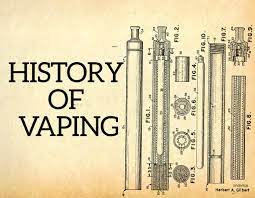
Gilbert's invention was ahead of its time and did not receive much attention or support from the public. It wasn't until the early 2000s that vaping began to gain popularity with the invention of the modern e-cigarette.
In 2003, a Chinese pharmacist named Hon Lik developed a device that used a battery-powered heating element to vaporize a liquid solution containing nicotine. This device, called the Ruyan, quickly gained popularity in China and eventually spread to other countries.
The early versions of e-cigarettes were often unreliable and produced poor vapor quality. However, advancements in technology and the increasing demand for a healthier alternative to smoking led to significant improvements in the design and performance of e-cigarettes.
In the mid-2000s, the first e-cigarette companies began to emerge, and the market for vaping products began to grow rapidly. These companies developed a wide range of e-cigarettes and vaping products, including e-liquids with different flavors and nicotine strengths.
In the years since the introduction of e-cigarettes, the vaping industry has faced numerous challenges and controversies. The safety of vaping products has been a topic of debate, and there have been concerns about the potential health risks associated with the use of e-cigarettes.
Despite these concerns, vaping has continued to grow in popularity. Many people have found e-cigarettes to be an effective tool for quitting smoking, and vaping has become a popular alternative to traditional smoking for millions of people around the world.
Today, the vaping industry is a multibillion-dollar business, with a wide range of products and a large community of users. While the history of vaping is relatively short, it has already had a significant impact on the way people smoke and the choices they have when it comes to their health and wellbeing.