
Is Dry Herb Vaping Healthier Than Smoking? Examining the Science
Inhalation Mechanisms:
When it comes to smoking, the combustion of tobacco or other plant materials produces harmful byproducts such as tar, carbon monoxide, and various toxic chemicals. These byproducts are known to be harmful to human health and have been linked to serious conditions, including lung cancer and cardiovascular diseases.
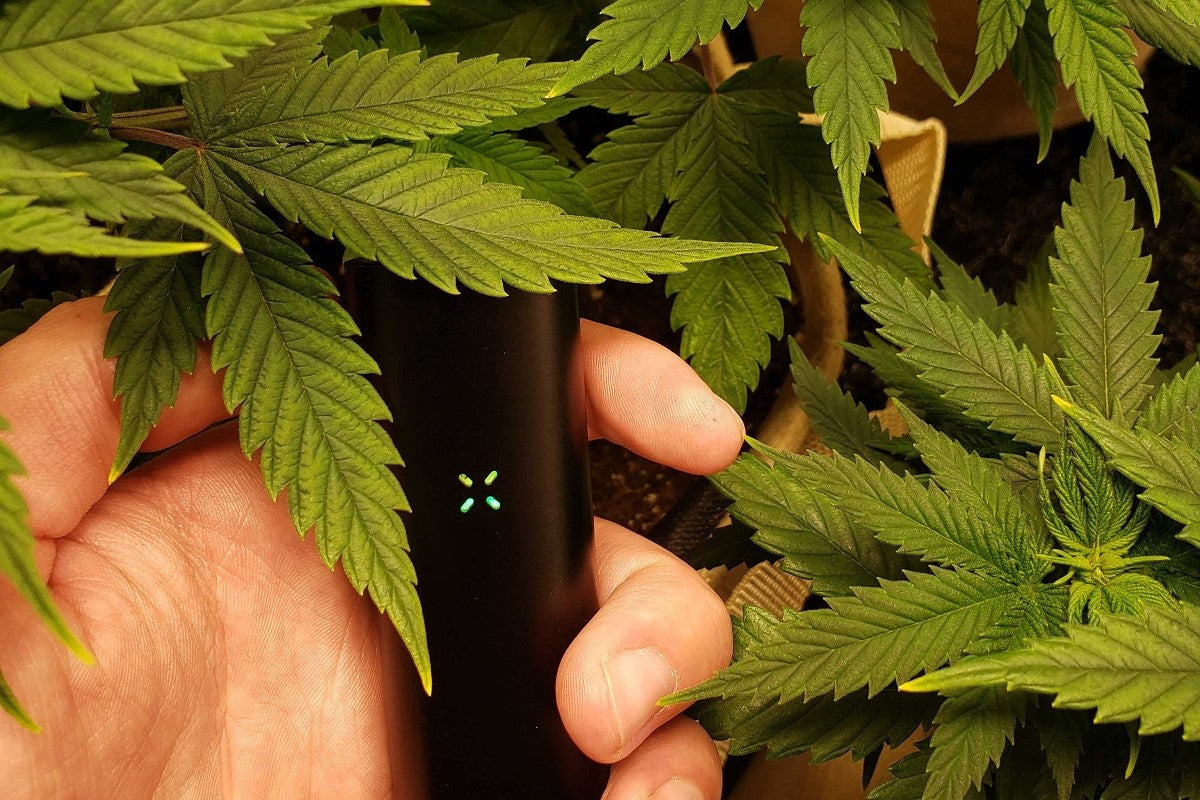
Dry herb vaping, on the other hand, operates by heating the herb or plant material at a lower temperature, typically below combustion levels. This process releases active compounds, such as cannabinoids, without creating the harmful byproducts found in smoke. This fundamental difference in inhalation mechanisms suggests that dry herb vaping may indeed offer a potentially healthier alternative to smoking.
Reducing Harmful Chemical Exposure:
Studies comparing the chemical composition of smoke and vapor have consistently shown that vaping produces significantly lower levels of harmful chemicals. For instance, a study published in the journal Inhalation Toxicology (2018) found that vaping dry herbs produced substantially fewer toxic compounds, such as carbon monoxide, volatile organic compounds (VOCs), and polycyclic aromatic hydrocarbons (PAHs), compared to traditional smoking methods.
Furthermore, a systematic review conducted by the Cochrane Library (2019) analyzed multiple studies and concluded that vaping is likely to expose users to lower levels of toxicants than smoking. While more research is needed to understand the long-term effects of dry herb vaping, these findings provide initial evidence suggesting its potential for harm reduction.
Respiratory Health:
One of the most significant concerns associated with smoking is its detrimental impact on respiratory health. Smoking has been linked to various respiratory conditions, including chronic bronchitis, emphysema, and impaired lung function. On the contrary, limited evidence suggests that vaping dry herbs may offer certain advantages in terms of respiratory health.
A study published in the Journal of Aerosol Science (2020) compared the effects of smoking and dry herb vaping on lung function and respiratory symptoms. The findings indicated that vaping did not lead to significant changes in lung function or respiratory symptoms, while smoking was associated with decreased lung function and increased respiratory symptoms. However, it's important to note that more research is needed to establish a definitive conclusion in this regard.
Nicotine Addiction:
Nicotine, a highly addictive substance found in tobacco, is a primary concern for smokers. Dry herb vaping allows users to enjoy the flavors and benefits of herbs without the need for nicotine. By eliminating nicotine from the equation, individuals who switch from smoking to dry herb vaping have the opportunity to reduce their dependence on this addictive substance.
Conclusion:
Based on the current body of scientific evidence, it is reasonable to conclude that dry herb vaping has the potential to be a healthier alternative to smoking. The absence of combustion and the subsequent reduction in harmful byproducts suggest that vaping can significantly decrease the exposure to toxic chemicals found in smoke. Additionally, preliminary research indicates potential benefits in terms of respiratory health and nicotine addiction reduction.
However, it's important to acknowledge that the long-term effects of dry herb vaping are still being studied, and more research is necessary to fully understand its impact on human health. Vaping should be approached with caution, especially for non-smokers or underage individuals, as it may still carry risks and side effects.
In the pursuit of harm reduction, individuals seeking an alternative to smoking may find dry herb vaping to be a viable option. Nevertheless, it is crucial to stay informed, follow regulations, and make well-informed decisions based on personal health considerations.
References:
Miech R, et al. Adolescent Vaping and Nicotine Use in 2017–2018 — U.S. National Estimates. New England Journal of Medicine, 2019.
Gornall J. The rise of the e-cigarette. BMJ, 2015.
Miech R, et al. Trends in Adolescent Vaping, 2017–2019. New England Journal of Medicine, 2019.
Wang TW, et al. Tobacco Product Use Among Middle and High School Students — United States, 2011–2017. MMWR Morb Mortal Wkly Rep, 2018.
Goriounova NA, et al. Methylphenidate regulates activity-dependent protein kinase signaling in the nucleus accumbens. Nature Communications, 2012.
Andersen SL. Stimulants and the developing brain. Trends Pharmacol Sci, 2005.
Volkow ND, et al. Effects of modafinil on dopamine and dopamine transporters in the male human brain. JAMA, 2009.
European Monitoring Centre for Drugs and Drug Addiction. Drug profiles: NPS benzodiazepines. 2021.
Schep LJ, et al. New psychoactive substances: clinical pharmacology, toxicology, and the assessment of drug harms. Br J Clin Pharmacol, 2011.
Winstock AR, et al. Global Drug Survey 2021. Global Drug Survey, 2021.