
THC - Main Cannabis Component
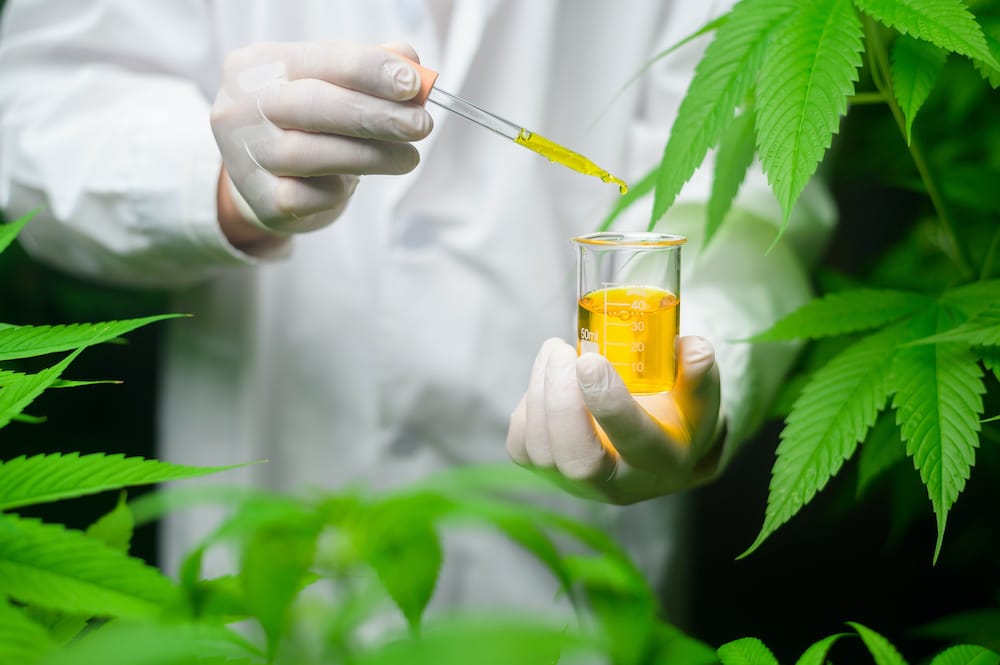
THC is also known for its therapeutic properties, including pain relief, nausea and vomiting reduction, and appetite stimulation, which has led to the development of several medical cannabis products. However, THC can also cause negative side effects, such as anxiety, paranoia, and impaired coordination, especially at higher doses. The legality of THC varies depending on the jurisdiction, as some countries and states have legalized cannabis for both medicinal and recreational use, while others still prohibit it.
The legality of THC varies depending on the country or state. In some places, cannabis and THC are fully legal for both medicinal and recreational use, while in other places, they are illegal or only legal for medicinal use.
In some countries like Uruguay and Canada, cannabis is legal for both medicinal and recreational use. In the United States, the legality of cannabis and THC varies by state. As of March 2023, 19 states and the District of Columbia have legalized recreational cannabis use, while 36 states have legalized medicinal cannabis use.
It's important to note that even in places where cannabis and THC are legal, there may be restrictions on how much an individual can possess or grow for personal use, where and how it can be consumed, and who can purchase it. It's always important to check local laws and regulations before using or possessing cannabis and THC products.
In the United States, the use of THC and cannabis is regulated by both federal and state laws. While cannabis remains illegal at the federal level, many states have legalized cannabis for both medicinal and recreational use.
As of March 2023, 36 states have legalized medicinal cannabis use, with varying restrictions and regulations on the types of products available, the conditions for which it can be prescribed, and how it can be consumed. Additionally, 19 states and the District of Columbia have legalized recreational cannabis use for adults 21 and older, with similar regulations and restrictions.
It's important to note that even in states where cannabis and THC are legal, there may be restrictions on where and how they can be consumed, who can purchase them, and how much an individual can possess or grow for personal use. It's always important to check local laws and regulations before using or possessing cannabis and THC products.
THC use can refer to the consumption of products containing tetrahydrocannabinol, which is the main psychoactive component of the cannabis plant. THC is most commonly consumed by smoking dried cannabis flowers or using cannabis concentrates such as oils or tinctures, although it can also be consumed in edibles, capsules, or topicals.
THC can produce a range of effects, depending on the dose, the method of consumption, and the individual's tolerance and sensitivity. Common effects of THC use include a feeling of euphoria or relaxation, altered perception of time and space, increased appetite, and changes in mood and sensory perception. However, THC use can also have negative effects, such as anxiety, paranoia, impaired coordination and cognitive function, and increased heart rate.
It's important to note that the legal status of THC and cannabis varies depending on the jurisdiction, and there may be legal and social consequences for its use, possession, or distribution. It's always important to research local laws and regulations before using or possessing THC or cannabis products, and to use them responsibly and in moderation.