
Unlocking Concentration: The Impact of Hemp and CBD
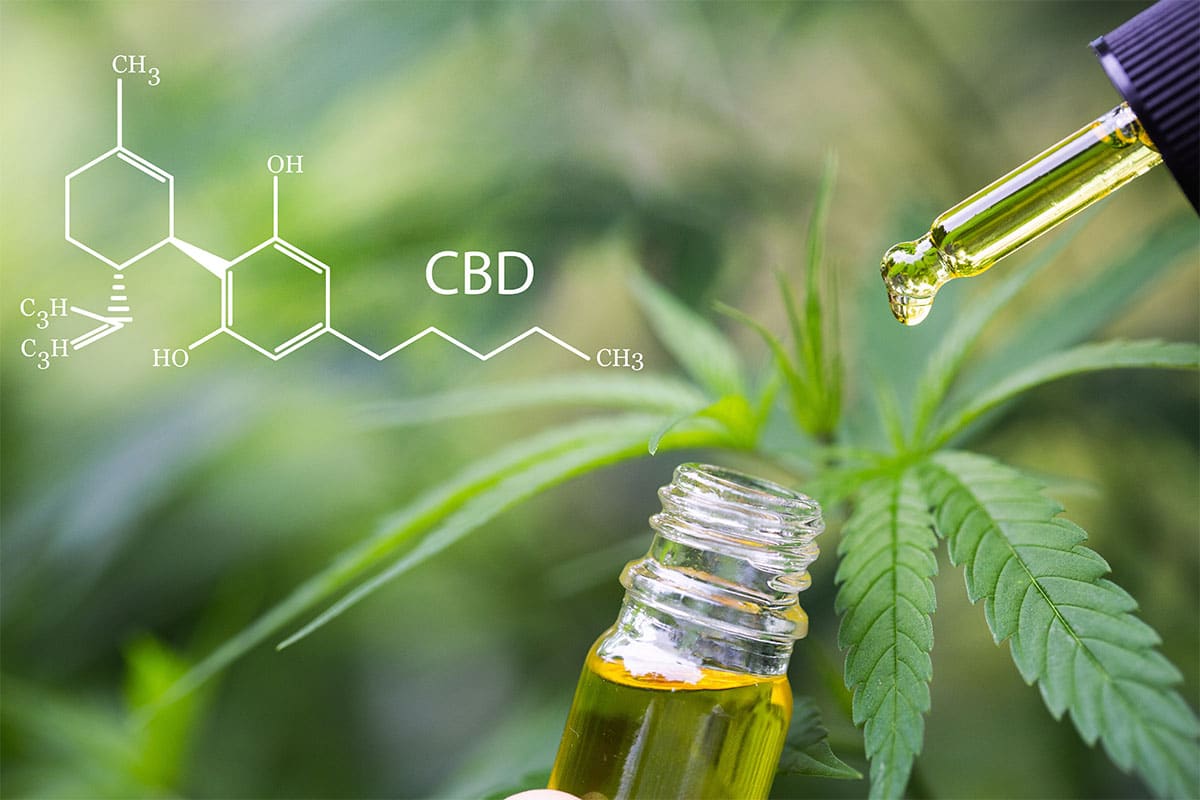
Understanding Hemp and CBD:
Hemp is a variety of the Cannabis sativa plant and contains low levels of THC (tetrahydrocannabinol), the psychoactive compound responsible for the "high" associated with marijuana. On the other hand, CBD is a non-intoxicating cannabinoid found in hemp, which has gained significant attention for its potential therapeutic properties.
The Role of the Endocannabinoid System:
To understand the impact of hemp and CBD on concentration, it's essential to delve into the endocannabinoid system (ECS). The ECS is a complex network of receptors found throughout the body, including the brain. It plays a crucial role in regulating various physiological processes, such as mood, pain perception, and cognition.
CBD and Concentration:
Anxiety and Stress Reduction:
Anxiety and stress are common factors that hinder concentration. Research suggests that CBD may help alleviate anxiety and stress by interacting with serotonin receptors in the brain. By reducing anxiety levels, CBD promotes a calm state of mind, allowing individuals to focus better on tasks at hand.
Sleep Improvement:
Quality sleep is vital for concentration and cognitive function. CBD has shown promise in promoting better sleep by addressing underlying issues such as insomnia and sleep disturbances. By improving sleep quality, CBD indirectly enhances concentration during waking hours.
Neuroprotective Properties:
Studies indicate that CBD possesses neuroprotective properties, meaning it helps protect brain cells from damage and promotes their health. By supporting brain health, CBD may have a positive impact on cognitive abilities, including concentration.
Hemp and Concentration:
While CBD plays a significant role in improving concentration, it's worth noting that hemp itself contains a range of beneficial compounds that can contribute to cognitive enhancement.
Omega-3 Fatty Acids:
Hemp seeds are a rich source of omega-3 fatty acids, which are crucial for brain health and cognitive function. These fatty acids help support the structure of brain cells, enhance memory, and promote optimal neural communication, ultimately improving concentration.
Vitamin E:
Hemp seeds are also abundant in vitamin E, a potent antioxidant that protects brain cells from oxidative stress and supports cognitive health. By reducing cellular damage, vitamin E helps maintain optimal brain function and enhances concentration.
Scientific Evidence:
A study published in the Journal of Clinical Psychopharmacology investigated the effects of CBD on anxiety levels in individuals with social anxiety disorder (SAD). The results demonstrated that CBD significantly reduced anxiety levels, indicating its potential in improving focus and concentration.
Another study published in the Journal of Psychopharmacology examined the impact of CBD on sleep quality. The findings revealed that CBD improved sleep parameters, including sleep duration and sleep disturbances, suggesting its indirect influence on concentration.
Conclusion:
As individuals seek natural remedies to improve concentration, hemp and CBD emerge as potential options. The interaction of CBD with the endocannabinoid system offers anxiety and stress reduction, improved sleep quality, and neuroprotective effects, all of which contribute to enhanced concentration. Additionally, hemp's rich nutritional profile, including omega-3 fatty acids and vitamin E, further supports cognitive function.
However, it is important to note that individual responses to hemp and CBD may vary, and further research is needed to fully understand their effects on concentration. Before incorporating hemp or CBD into your routine, it is advisable to consult with a healthcare professional.
References:
Blessing EM, et al. Cannabidiol as a Potential Treatment for Anxiety Disorders. Neurotherapeutics. 2015;12(4):825-836.
Chagas MHN, et al. Effects of Acute Systemic Administration of Cannabidiol on Sleep-Wake Cycle in Rats. J Psychopharmacol. 2013;27(3):312-316.