
US Percentage of Vapers
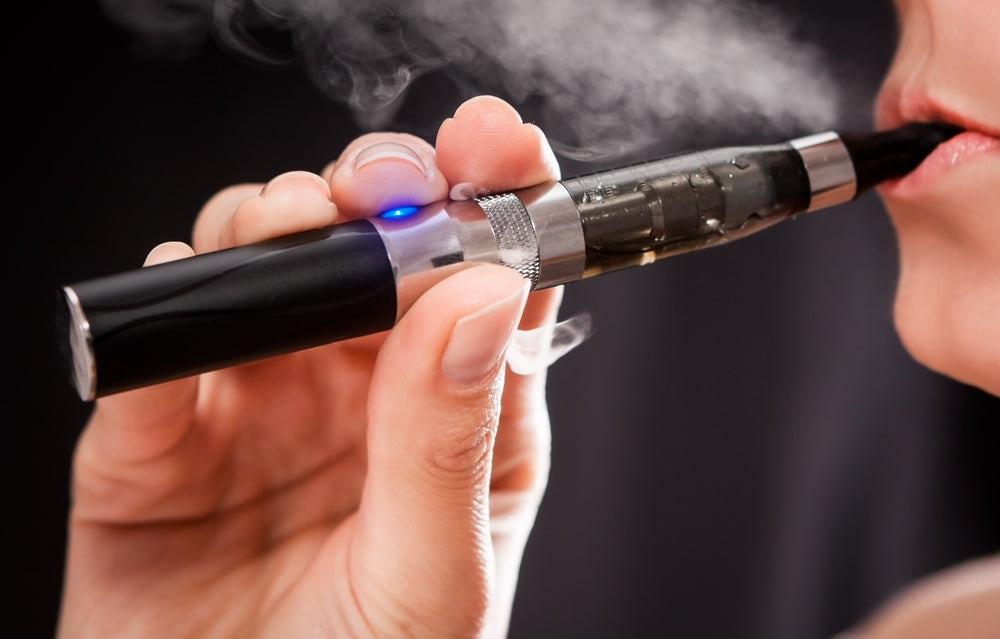
According to the Centers for Disease Control and Prevention (CDC), the percentage of US adults who currently use e-cigarettes increased from 2.8% in 2017 to 3.2% in 2018. This may not seem like a significant increase, but it represents a jump from approximately 7 million to 8 million e-cigarette users in just one year.
Among US high school students, vaping has become even more popular. In 2019, a national survey found that 27.5% of high school students reported using e-cigarettes in the past 30 days, up from 20.8% in 2018. This means that more than one in four high school students were vaping in 2019.
The reasons for the increase in e-cigarette use vary. Some users may have turned to vaping as a way to quit smoking traditional cigarettes, while others may have been attracted to the wide range of flavors and styles available. Additionally, e-cigarettes have been heavily marketed as a safer alternative to traditional cigarettes, which has led some people to believe that they are not harmful.
However, recent studies have raised concerns about the potential health risks of vaping. The most serious of these is a condition called EVALI (e-cigarette or vaping product use-associated lung injury), which can cause severe lung damage and even death. In 2019, there was an outbreak of EVALI cases across the US, which resulted in 2,807 hospitalizations and 68 deaths.
Another concern is the impact of vaping on young people. Many e-cigarette manufacturers use marketing tactics that appeal to youth, such as colorful packaging and sweet flavors. This has led to a rise in e-cigarette use among high school students, which could have long-term health consequences.
In conclusion, while the percentage of vapers in the US has increased in recent years, there are concerns about the potential health risks associated with this behavior. It is important for individuals to make informed decisions about their use of e-cigarettes and for public health officials to continue monitoring trends in usage and their impact on public health.