
Vape Ban Pros and Cons
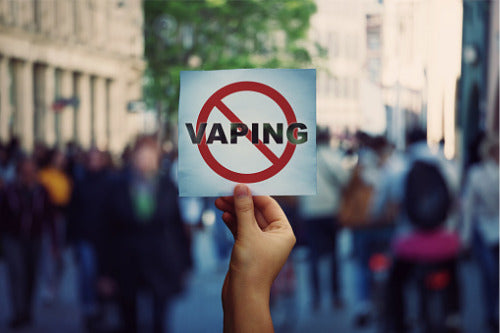
Recently, some governments and organizations have proposed or enacted a ban on vaping, either for certain products, locations, or age groups, or as a total prohibition. The rationale behind such bans varies, but usually involves concerns about the safety, accessibility, and attractiveness of vaping, especially to minors. However, such bans also face opposition from those who see them as an infringement of personal choice, a threat to small businesses, or a violation of civil liberties.
To shed light on this controversial issue, let's examine the pros and cons of a vape ban from different perspectives:
Health benefits: Pros:
- Reduce exposure to harmful chemicals: Vaping liquids and aerosols may contain carcinogens, heavy metals, and other toxins that can damage the lungs, heart, and brain, especially if used for long periods or at high doses. A ban on vaping could help prevent or reduce such harm, especially for vulnerable populations, such as children, pregnant women, and people with respiratory or cardiovascular conditions.
- Prevent addiction and gateway effect: Vaping can also create a dependence on nicotine, which is highly addictive and can harm brain development and cognitive function, especially in young people. Moreover, vaping can normalize smoking behavior and make it more appealing and accessible to non-smokers, including teens. A ban on vaping could discourage or delay such behaviors, and reduce the likelihood of transitioning to smoking or other drug use.
Cons:
- Increase smoking and harm: Some critics of vaping bans argue that they may backfire and actually increase smoking and related harm. They claim that vaping can help smokers quit or reduce their tobacco use, and that a ban on vaping may drive them back to smoking or other riskier behaviors. They also point out that vaping is less harmful than smoking, and that banning it may lead to a black market, where unregulated and unsafe products may proliferate.
Economic impact: Pros:
- Protect public health and welfare: A vape ban could also benefit the economy by reducing the burden of healthcare costs and lost productivity associated with smoking-related illnesses. By preventing or reducing the harm caused by vaping, a ban could help maintain or improve the overall health and well-being of the population, and avoid the negative externalities of secondhand smoke and environmental pollution.
- Encourage innovation and diversification: A vape ban could also create opportunities for alternative and safer products or technologies, such as nicotine replacement therapy, harm reduction devices, or smoking cessation programs. Such innovations could attract investment, create jobs, and stimulate competition in the market, leading to better choices and outcomes for consumers.
Cons:
- Hurt small businesses and consumers: A vape ban could also harm the economy by putting small businesses that sell vaping products out of business or limiting their profits. Such businesses may employ many people, pay taxes, and contribute to the local economy, and a ban could result in job losses, revenue declines, and reduced consumer choice. Moreover, a ban could lead to higher prices, lower quality, and more inconvenience for consumers who rely on vaping for personal or medical reasons.
Legal considerations: Pros:
- Uphold public policy and morality: A vape ban could also be justified on legal and ethical grounds, based on the principle of promoting public health and welfare. Governments have a duty to protect their citizens